From Raw Land to Truck Stop: What 635 Days Taught Me About Patience in Commercial Real Estate

Ryan Constant • June 15, 2026

From Raw Land to Truck Stop: What 635 Days Taught Me About Patience in Commercial Real Estate

Not every deal closes fast. In fact, some of the best ones take a whole lot longer than you ever expect when you first sign the contract. This deal was one of them, and it turned out to be one of the most educational transactions I've been a part of.


How It Started

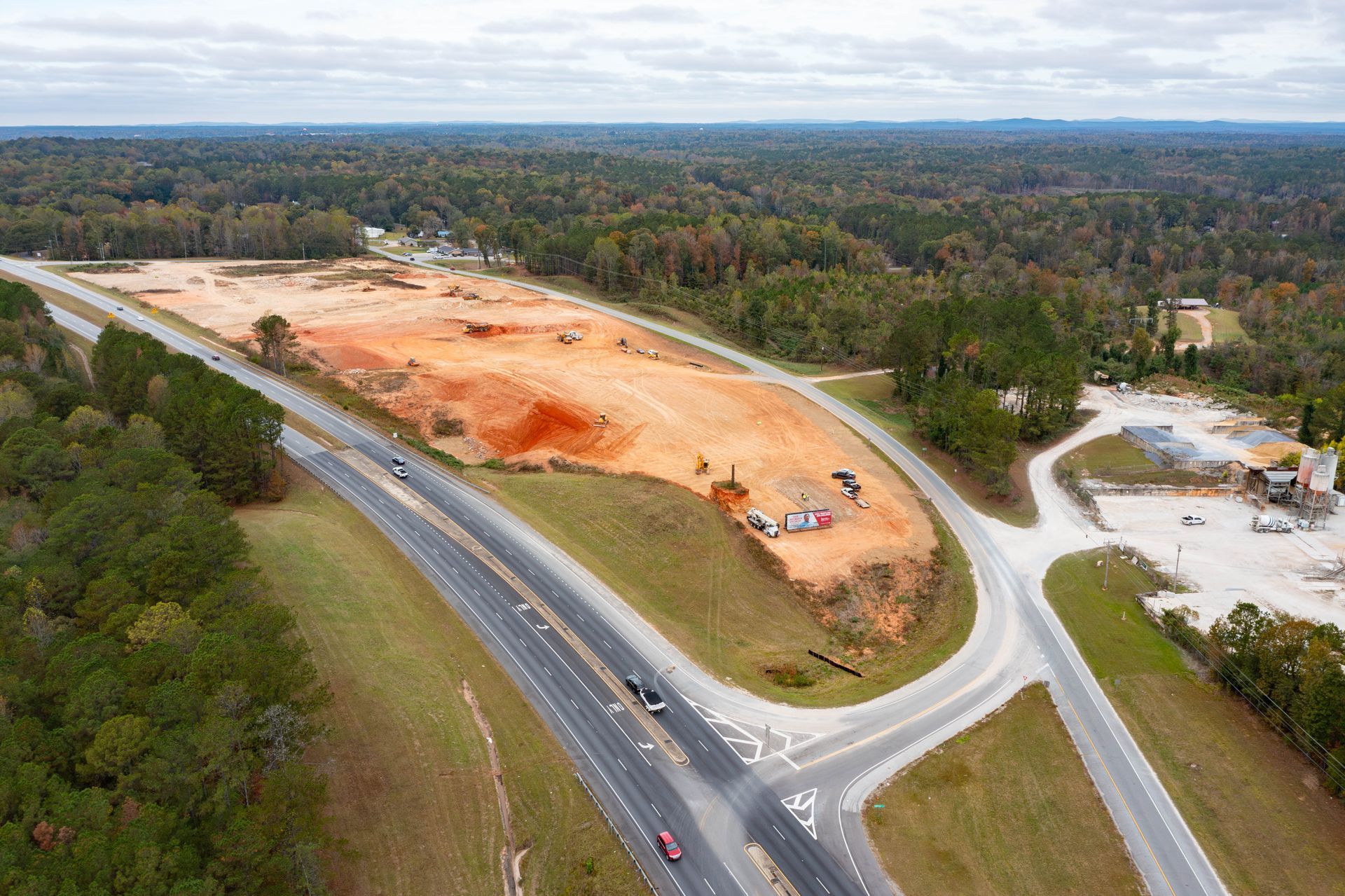
When I first heard about this property, I'll be honest, I had doubts. The property had potential, but there were a lot of moving parts. I didn't just take their word for it, though. I dug in, did my homework, and the more I looked at it, the more I believed in what this piece of land could become. Sometimes a deal that doesn't look great on the surface just needs someone willing to sit down and really study it. The property is along a major highway in Alabama, the kind of location that, once you see the traffic patterns and understand the infrastructure around it, starts to make a lot of sense for high- volume commercial use. For a truck stop specifically, highway frontage, access, and visibility are everything. This site had it.


635 Days Under Contract

Here's where I want to be real with you, because I think this is something a lot of people don't talk about enough in commercial real estate. This deal was under contract for 635 days.

That's not a typo. A year and almost nine months from contract to close, with multiple extensions along the way. And the reason wasn't some messy environmental problem or a seller who kept changing their mind. The reason was simply this: dealing with the Department of Transportation and getting through city approvals takes time. Real time. There were minor adjustments that had to be made, reviews that had to happen, and a process that moves at its own pace regardless of how motivated the buyer and seller are. If you're not prepared for that, it can feel like the deal is falling apart. But it wasn't falling apart. It was just moving through the system the way these things do when you're talking about a commercial development along a state highway corridor. The lesson? A long deal is not a dead deal. Patience is not passive. It's a skill, and in commercial land transactions, it might be the most important one you can have.


Finding the Right Buyer

One of the things I'm most proud of in this transaction is how we found the buyer. We didn't just list the property and wait for inquiries to roll in. I researched which truck stop and travel center companies had active expansion plans and were looking at the Alabama market. Once I identified the right fit, I reached out to them directly. That's the job. It's not enough to put a sign in the ground and hope the right buyer stumbles across your listing. You have to know your property, know your market, and go find the people who need what you're selling. In this case, that meant getting in front of a well-known truck stop company and showing them why this location made sense for their growth strategy. It worked. They became the buyer, and they're now moving forward with development on a site that's going to serve highway traffic and the surrounding community for decades.


What the Approval Process Actually Looks Like

I want to give you a realistic picture of what that 635-day timeline involved, because I think it helps set proper expectations if you're considering a commercial land deal in Alabama. When a development requires DOT involvement, meaning the property has a highway access point, requires a new driveway permit, or impacts a state road in any way, you're entering a review process that has its own timeline. That process does't speed up because you're motivated. You'll submit plans, receive feedback, make adjustments, resubmit, and repeat. Same goes for city approvals when you're working within a municipality's planning and zoning process. None of this is a bad thing. These steps exist to make sure development is done right. But if you go into a commercial land deal expecting to close in 90 days when DOT and a city planning department are involved, you're going to be frustrated. Go in expecting the process to take time,

stay organized, keep communication open with all parties, and you'll get there.


What's Next: The Corner Is Just Getting Started

Here's where it gets interesting.

Across the street from the truck stop site, I have another property under contract, a mixed-use development opportunity that would bring retail and residential to that same corridor. When you have a high-traffic commercial anchor like a truck stop on one side of a highway intersection, it creates real demand for the land around it. People stop, they need food, services, a place to stay. That's the kind of demand that makes a mixed-use development not just viable, but well- timed. And there's more. Right next to the truck stop location, I also have 5 acres of vacant land available. If you're a developer, investor, or business owner who wants to be positioned alongside a major travel center on a busy Alabama highway corridor, this is worth a conversation.

These pieces are starting to form something bigger than any one transaction. That's what happens when you stay patient, stay in a market, and keep working. The opportunities stack up around each other.


If you're thinking about buying or selling commercial land in Alabama, or if you want to learn more about any of the properties mentioned here, reach out directly. Ryan Constant Constant Venture ryan@constantventure.com (256) 935-9337
By Ryan Constant December 1, 2025
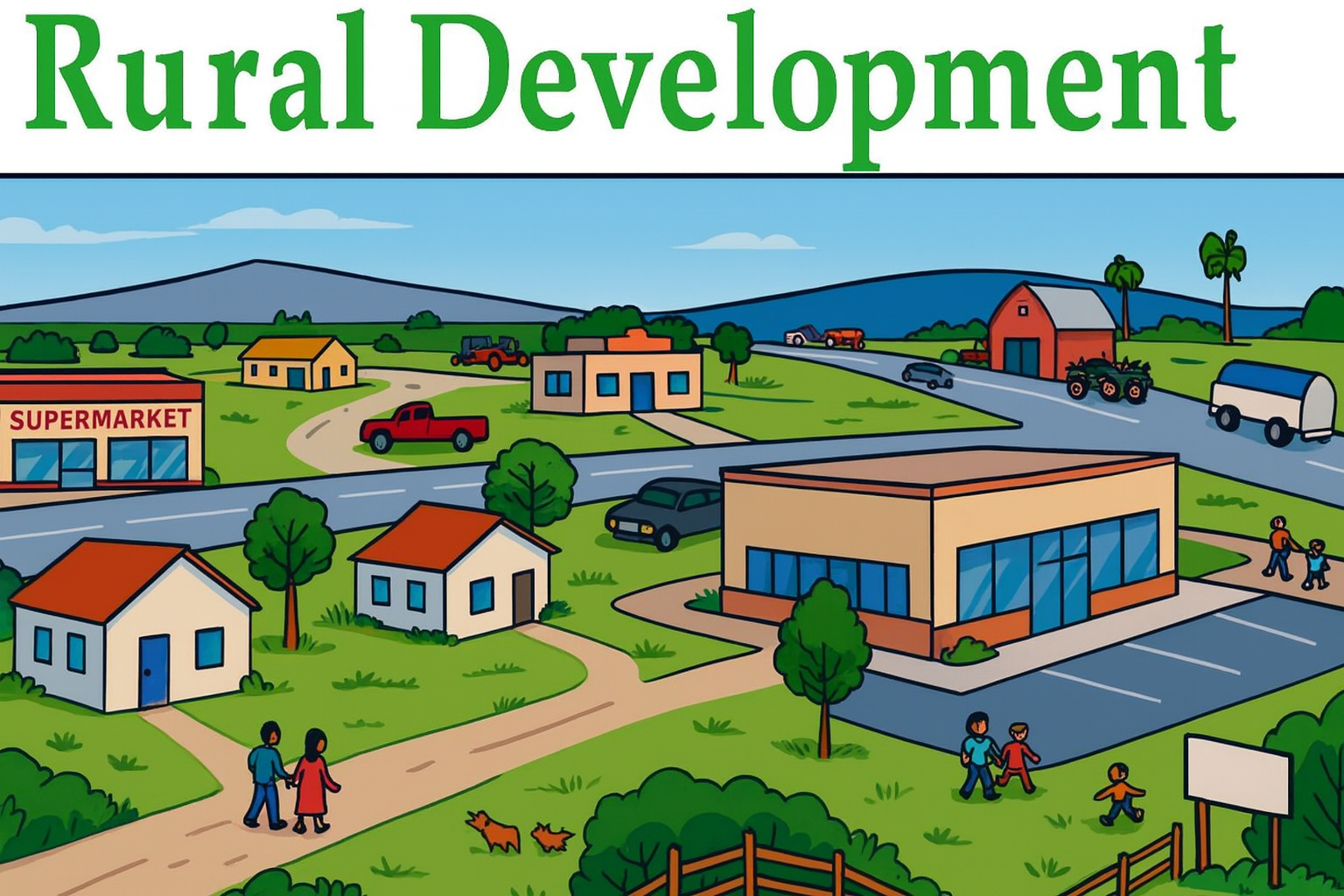
Smaller rural locations are drawing attention for their available low cost land, access to nearby metro areas and simplicity that is incentive rich for new development that large, crowded metros can't offer. 1. Push from cities, pull from small towns Rural communities with commutable access to a metro area are especially well-positioned right now. As housing and operating costs in cities climb, both residents and businesses are looking farther out for value. That trend is pushing population and capital into “rural-adjacent” markets small towns within a reasonable drive time of a regional job center. For commercial land, that can mean: Demand for neighborhood retail (grocers, QSR, healthcare, auto services) to serve new residents Flex and light industrial buildings for contractors, logistics, and small manufacturers Hospitality and tourism assets in towns with natural or recreational amenities National and regional retailers are already expanding beyond metros into smaller but fast-growing rural counties where demand is unmet, and strip centers and drive-thru/QSR pads are seeing high occupancy and rent growth. 2. Commercial real estate as a growth engine Commercial real estate isn’t just a passive “landlord play” in rural markets—it’s often the catalyst for job creation, tax base growth, and infrastructure. Research on CRE generally shows each new development project ripples through construction, finance, local services, and ongoing employment. In small towns, the impact is amplified: A single grocery anchored center can keep millions of dollars a year from leaking to the next county. A modest industrial building can house dozens of jobs that anchor families in the community. Reuse of a historic downtown building can kick-start broader Main Street reinvestment. USDA and other agencies recognize this leverage, which is why many of their rural programs target business facilities, infrastructure, and community commercial assets. Key Drivers of Rural Commercial Opportunity 1. Broadband and the digital economy If you’re thinking about rural growth and ignoring broadband, you’re missing the foundation. New research from the Center on Rural Innovation and NTCA shows rural counties with high broadband usage see 213% higher business growth and more self-employment than similar counties with low broadband adoption. USDA estimates that fully leveraging digital agriculture and rural broadband could create tens of billions in additional annual economic benefit, with a large share tied directly to rural e-connectivity. For commercial land development, that translates to: Stronger office and flex demand from remote workers, co-working spaces, and small professional firms. Better tenants: e-commerce-enabled local retailers, telehealth providers, distance-learning hubs. Site selection advantage if you can market “shovel-ready” parcels with fiber or robust fixed-wireless options. If your rural site doesn’t have broadband, check state broadband offices, local cooperatives, or USDA’s broadband-related programs as potential funding or partnership routes. 2. Main Street and downtown revitalization Rural downtowns are undergoing a quiet reinvention. Case studies from USDA and planning organizations show that coordinated Main Street strategies—historic preservation, façade grants, streetscape improvements, and upper-story housing—can dramatically boost downtown business activity. For commercial property owners, that means: Value upside for underused historic buildings if you pair physical rehab with good tenant curation (coffee shops, coworking, boutique retail, food halls). Expanded demand for small retail bays (1,000–3,000 SF) rather than just big-box formats. Opportunities to structure public-private deals with façade grants, tax credits, or low-interest loans. One Brookings study emphasizes that the most successful rural downtowns aren’t just economically stronger; they also intentionally build social inclusion and community identity, which makes projects more resilient across cycles. 3. Industry clusters, logistics, and value-added agriculture Rural communities are also leaning into sector-specific strategies: Value-added ag: meat processing, food manufacturing, wood products, and biofuels often seek lower land costs and proximity to raw inputs. USDA’s Meat and Poultry Processing Expansion Program and other targeted programs show the federal focus here. Logistics & light manufacturing: highway-frontage and rail-served parcels remain attractive for tenants who want to serve a multi-state region while avoiding big-city costs. Healthcare and education: USDA’s Community Facilities and distance-learning programs are funding new rural hospitals, clinics, and education hubs that create demand for nearby retail and services. All of these users need buildings: industrial shells, clinic spaces, training centers, offices, and employee-serving retail. How Developers & Investors Can Approach Rural Commercial Land 1. Start with data, not anecdotes Rural deals often get framed by stories (“the plant might expand,” “everyone says we need a hotel”), but credible partners want numbers: Demographics & income – age mix, household income, population trends. Commuting patterns – how many workers are driving into the area or out of it. Retail leakage – dollars being spent outside the county in key categories (groceries, dining, building materials). Traffic counts – especially on highway sites or major arterials. Resources like state economic development agencies, the U.S. Census Bureau, and commercial data platforms can provide this. For strategy ideas, guides on rural economic development from groups like Golden Shovel Agency summarize what’s working in similar communities. 2. Align with federal and state rural programs One of the biggest differences between rural and urban commercial development is the depth of federal and state support if you know where to look. USDA Rural Development alone runs more than 50 programs that touch business, infrastructure, energy, community facilities, and cooperatives. Key business-oriented options include: Business & Industry Loan Guarantees – enhance bank financing for rural business facilities. Rural Business Development Grants (RBDG) – for small business growth, often involving commercial space or equipment. Rural Economic Development Loan & Grant (REDLG) – zero-interest loans through local utilities for job-creating projects (which can include commercial/industrial buildings). Cooperative development and investment programs – useful for shared commercial kitchens, maker spaces, or multi-tenant facilities. By layering local incentives (property tax abatements, TIF districts, revolving loan funds) on top of these, rural communities can often make smaller projects pencil out that wouldn’t otherwise attract private capital on pure rent comps. 3. Think “right-sized” product Urban developers sometimes overbuild when they come into small markets. Rural success usually comes from product that’s appropriately scaled: Retail: Instead of a 150,000 SF lifestyle center, maybe it’s 10–30k SF of neighborhood retail with a grocery, a drive-thru QSR, and a small inline strip. Industrial: A 40–80k SF clear-span building with good truck access can be far more leasable than a speculative 300k SF box in many rural regions. Mixed-use/downtown: Two- to four-story infill with ground-floor commercial and upper-story residential or offices often matches local demand and financing capacity. Case study series from NADO and other organizations show that many vibrant rural communities deliberately focused on a few high-impact, right-sized projects rather than chasing mega projects. 4. Reuse before you greenfield Rural America is full of underused assets: old schools, vacant big-box stores, shuttered plants, and tired strip centers. Repositioning these can be faster and cheaper than new construction, and it’s easier to finance when you can point to existing infrastructure and visibility. Examples of reuse strategies include: Turning a vacant grocery into a community health hub or training center, then surrounding it with supporting retail. Converting a downtown department store into mixed-use with apartments and ground-floor food & beverage. Repurposing a warehouse into an incubator for trades, makers, and micro-manufacturing. Community revitalization case studies highlight how strategic reuse not only boosts tax base but also restores local pride and identity. Practical Tips for Rural Commercial Land Stakeholders For local governments & community leaders Create a clear land-use vision. Identify priority corridors, gateways, and downtown blocks for commercial growth. Put that vision into your comprehensive plan and zoning so developers see predictability. Pre-entitle and pre-infrastructure key sites. Shovel-ready parcels with zoning, utilities, access, and (ideally) broadband are far more attractive to serious investors. Build a funding stack. Combine USDA programs, state grants, local revolving loan funds, and private capital. Many successful rural projects use a mix rather than relying on a single source. Invest in place-making. Streetscapes, signage, public art, and small public spaces in commercial areas make it easier to attract tenants and private investment. The Bigger Picture: Rural Growth as a Long-Game Rural commercial development isn’t about chasing a single “home run” project. It’s a long-term strategy built around: Upgrading infrastructure and broadband Revitalizing downtowns and corridors Leveraging federal and state tools Right-sizing product and tenant mix to match local realities When done well, the payoff goes far beyond rent rolls. Rural CRE projects can stabilize tax bases, reduce economic leakage, create durable jobs, and give younger residents a reason to stay—or come back. If you’re a landowner, broker, or community leader in a rural area, this is a moment to be proactive: Audit your commercial sites. Map them against broadband, traffic, and workforce assets. Learn which USDA and state programs fit your vision. Start assembling partnerships—local lenders, utilities, co-ops, institutions, and experienced developers. Rural growth may not make the same headlines as big-city skyscrapers, but in terms of impact per dollar, the combination of commercial land, smart planning, and targeted programs might be one of the most powerful economic development plays in the country.
By Ryan Constant October 10, 2025
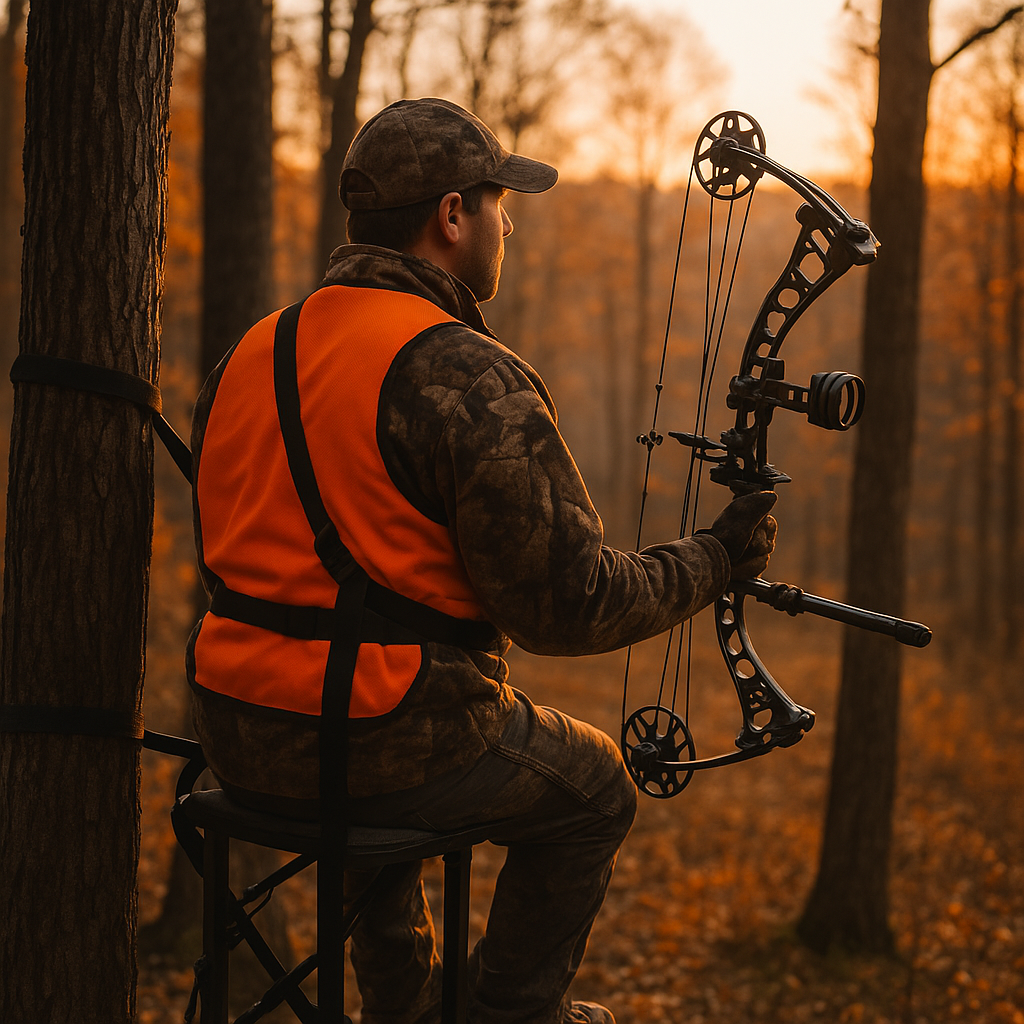
There’s something special about opening day. The smell of the woods, the chill in the air, that quiet moment before sunrise when everything feels still and full of promise. October 15th marks the start of bow season, and for most hunters around here, it feels like Christmas morning. The first few weeks of the season are all about patience and preparation. Deer are still on their late-summer patterns, moving from bedding to food sources with predictable habits. Acorns, green browse, and persimmons are key. This is the time to hunt smart. Go in quietly, stay downwind, and don’t blow out your best spots too early. It’s tempting to dive right into your favorite stand, but the early season is more about learning than taking chances. Once the season rolls into late October and November, everything changes. The leaves start to fall, visibility opens up, and deer behavior shifts as the rut starts to build. Food sources change, bucks begin checking scrapes, and daylight movement increases. That’s when it’s time to get a little more aggressive. Move to travel corridors, pinch points, and funnels between bedding and feeding areas. This time of year, how you enter and exit your stand becomes even more important. With fewer leaves on the trees and sound carrying farther, one wrong step can blow an entire hunt. Be deliberate about your routes, and plan ahead. Safety should always come first, no matter how many seasons you’ve hunted. Always wear your safety harness when climbing into a stand. Check your straps, cables, and ladder sections before you trust them with your weight. Make sure someone knows where you’ll be and when you plan to head out. Early mornings and late evenings are when accidents happen most, especially when it’s dark and slick with dew. Take your time. The deer will still be there when you get settled. If you’re hunting from the ground, wear some blaze orange on your way in and out, and keep your shots in safe directions. For hunters who own or manage their own property, this is where the payoff really shows. You can shape the land to fit your style of hunting — planting food plots, creating bedding cover, and hanging stands in just the right places. The satisfaction that comes with seeing deer use the land the way you planned is hard to beat. Opening day is more than a date on the calendar. It’s the start of another season of hard work, patience, and memories made outdoors. Whether you’re hunting public land, private ground, or dreaming of owning a place to call your own, it’s all about being out there and coming home safe. If you’ve been thinking about finding your own hunting or recreational property, there’s no better time to start looking. Every season starts somewhere, and for many, it begins with the dream of a piece of land to call their own. Alabama Safety Reminders The Alabama Department of Conservation and Natural Resources requires all hunters to wear at least 144 square inches of hunter orange during gun deer season, except when in a fully enclosed blind. Even during bow season, it’s smart to keep some visible orange when walking in or out. Make sure your hunting license and Harvest Record are up to date, and always identify your target and what’s beyond it. Tree stand falls are one of the leading causes of hunting injuries in Alabama, so inspect your equipment before every hunt and use a harness every single time you leave the ground. Ryan Constant Constant Venture Helping people buy and sell land across Central Alabama
By Ryan Constant August 11, 2025
As deer season approaches in Alabama, now is the time to put effective land management strategies into place to improve your chances of a successful hunt. Whether you’re managing a few acres or a large property, the steps you take today can set the tone for deer activity throughout the fall and winter. Alabama’s diverse habitat, from pine plantations to hardwood bottoms and agricultural fields offers plenty of opportunities to build a whitetail haven. Here’s a guide to preparing your land to attract and hold deer this season: 1. Evaluate Your Property’s Habitat Start by walking your property and identifying the four key components of deer habitat: Food Water Cover Travel Corridors Ask yourself: Are there thick bedding areas where deer can feel secure? Are food sources abundant and spread out across the land? Is water accessible throughout the property? Are there natural funnels or pinch points where deer movement is concentrated? Use this assessment to decide where you need to improve habitat or redirect deer traffic for better hunting setups. 2. Plant Fall Food Plots Now In Alabama, late summer (August to early September) is prime time to plant fall food plots. Focus on high-protein and high-carb crops that draw deer during the pre-rut and rut: Cool-season crops: oats, wheat, clover, rye, winter peas, brassicas (like turnips and radishes) Mixes: Consider seed blends tailored for the Southeast that provide staggered growth and feeding phases Pro Tip: Prepare your soil with a soil test from your local extension office to know exactly what amendments your plots need. Lime and fertilize accordingly for strong growth. 3. Create or Enhance Bedding Areas Deer spend most of their daylight hours bedded down. If your property lacks thick, secure bedding cover, deer will bed elsewhere. Create sanctuary zones by: Hinge-cutting trees along edges of fields or timber Allowing native grasses and shrubs to grow by reducing mowing Leaving small thickets or overgrown patches untouched These sanctuaries should be off-limits to human activity, deer will learn to trust these areas and return daily. 4. Use Supplemental Feeding (Where Legal) Alabama allows supplemental feeding for deer, but baiting laws vary by zone and must be carefully followed. Corn is a common attractant, but protein pellets can support antler growth and overall herd health. Set up feeders with: Timers to control feed times and reduce waste Game cameras to monitor deer activity and herd size Remember: supplemental feed should never replace good habitat or diverse natural food sources. 5. Maintain Mineral Sites Whitetails in Alabama benefit from minerals year-round, but especially in summer and early fall. Refresh existing mineral licks or install new ones near bedding areas or food sources. Use mixes with: Calcium and phosphorus (for bone and antler development) Sodium (salt-based attractants) Trace minerals like zinc and selenium 6. Create Strategic Access and Stand Locations Avoid letting deer pattern you. Clear access paths to stands that: Use wind direction to your advantage Minimize noise and scent exposure Avoid crossing key bedding or feeding areas Hang stands early and trim shooting lanes while deer are still in summer patterns to avoid pressure just before opening day. 7. Water Access Is Key Even with creeks or ponds on your property, deer may not have easy access to water in all areas. Consider: Installing small wildlife water tanks Cleaning up edges of existing water sources Strategically placing water near bedding and feeding zones 8. Monitor and Adjust With Trail Cameras Trail cameras are invaluable for patterning deer and monitoring herd health. Place cameras on: Food plots and feeders Trail intersections and pinch points Mineral sites and watering holes Review footage regularly and adjust your strategy as deer movement shifts with weather, food availability, and the rut. Final Thoughts Managing land for deer is a year-round commitment, but putting in the work before hunting season delivers real rewards. With a well-planned mix of food, cover, and low-impact access, your Alabama property can become a hotspot for whitetail activity. Whether you’re after a mature buck or simply enjoy the experience of a productive hunt, smart land management is your best tool. Start now, and come opening day, you’ll be glad you did.
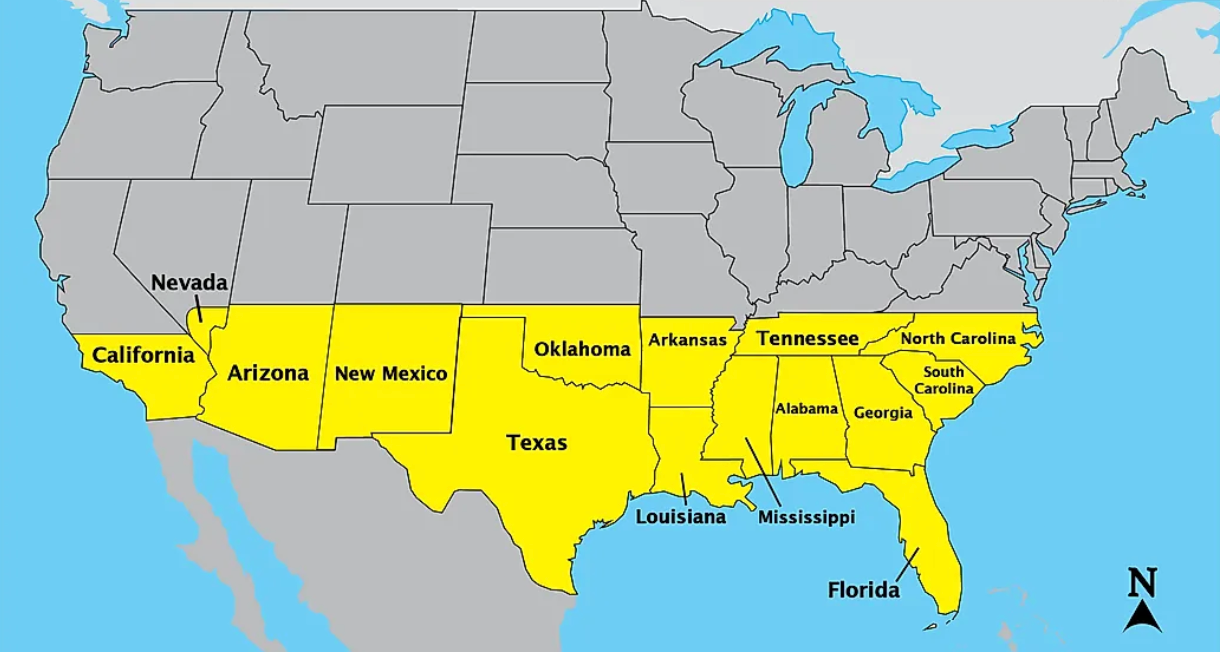
Map of Sunbelt USA
By Ryan Constant June 19, 2025
The commercial real estate market has historically gone in 16 year cycles. We hit our last height in 2023, putting us on the downturn of the market. If you're exploring smart ways to invest in commercial real estate in 2025, one strategy is land banking in small or secondary markets. As traditional urban markets grow crowded and overvalued, many savvy investors are turning their focus to commercial land in Alabama and similar regions with long-term upside and lower acquisition costs. Land banking is the practice of purchasing land and holding it until conditions are ripe for development or resale isn't flashy. But in the right hands and the right location, it can be quietly powerful. Why Investors Are Looking Outside Oversaturated Markets Many large cities have seen skyrocketing land prices, stricter regulations, and declining ROI on commercial projects. Meanwhile, small cities with natural assets like lakes, expanding infrastructure, and growing populations are becoming the next frontier for patient investors. Land in these markets often offers: Lower costs per acre Flexible zoning or receptive municipalities Access to upcoming highways, broadband, or utility extensions Proximity to lifestyle amenities like lakes, hospitals, or new schools And because these areas may not yet meet every developer’s criteria, the competition is lower and the negotiation window is wider. A Realistic Growth Arc: From “Not Yet” to “Perfect Timing” Three to five years ago, many developers dismissed small markets because they didn’t see the traffic counts, demographic trends, or retail anchors to justify a project. But that’s exactly the window smart land bankers need. As new employers move in, school systems expand, or nearby tourism (like lake activity) increases, the population and demand can naturally shift to support development. We’ve seen it firsthand: A parcel of land that once sat untouched near a local bypass is now in demand because the road improvements and nearby healthcare expansions finally caught up to it. What wasn’t viable in 2020 is highly attractive in 2025. The Key: Patience and Persistence in Your Market Relationships Success in land banking isn’t just about buying the right piece of dirt — it’s about staying connected to the people who will eventually need it. The franchisee who says “not yet” today? Keep in touch. Their expansion map might land back in your lap. The developer who passes on your acreage this quarter? Check in next year and their site criteria may evolve. The city planner who says your location isn’t “active”? That could change after one major employer or subdivision breaks ground. What doesn’t pencil today might be perfect in just a few short years. This is why land investors who build relationships and stay engaged often outperform those waiting for the market to “signal” when to jump. Final Thought: Be Early, Not Late If you're looking to buy land in Alabama or other rising secondary markets, don’t wait for the headlines. Look for the underlying indicators: infrastructure investments, job growth, hospital expansions, and natural assets that people are quietly discovering. The land you buy today for a fraction of metro prices could be at the center of tomorrow’s development corridor. Need boots-on-the-ground insight into where the opportunities are forming? I specialize in helping investors identify strategic land banking opportunities across Alabama and the Southeast. Let’s talk about how to get ahead of the next wave. - Ryan Constant , ryan@constantventure.com
By Ryan Constant January 17, 2025
In recent years, commercial developments in rural areas have gained significant attention from brands and small to medium-sized businesses (SMBs) seeking new opportunities for growth and expansion. While urban centers often dominate discussions about business development, rural markets present unique advantages that can be both lucrative and sustainable when approached strategically. This blog explores the benefits and key considerations for businesses looking to open a location in a rural area. Benefits of Commercial Developments in Rural Areas 1. Lower Operating Costs One of the most appealing advantages of rural areas is the significantly lower cost of real estate. Leasing or purchasing commercial space is often much more affordable than in urban markets. Additionally, labor costs and utilities may be lower, which can result in substantial savings for businesses. 2. Less Competition In urban areas, businesses often face fierce competition, but rural markets are typically less saturated. Opening a location in a rural area can help a brand establish itself as a dominant player in the local market, creating opportunities for strong customer loyalty and a steady revenue stream. 3. Community Engagement Rural communities tend to value local businesses and are often eager to support new ventures. Businesses that actively engage with the community—by participating in local events, hiring local employees, or sourcing products locally—can quickly build a loyal customer base. 4. Access to Underserved Markets Many rural areas are underserved in terms of retail, dining, and professional services. By identifying gaps in the market, businesses can provide much-needed goods and services, addressing a clear demand and creating an immediate impact. 5. Proximity to Transportation Infrastructure Many rural areas are located near major highways, railways, or even regional airports, providing convenient access for logistics and transportation. This can be particularly advantageous for businesses that rely on distribution networks or attract travelers, such as restaurants, gas stations, or retail outlets. Key Considerations for Businesses 1. Market Research Before committing to a rural development, conducting thorough market research is essential. Understand the demographics, purchasing habits, and needs of the local population. Look for areas where demand outweighs supply and consider whether your business aligns with the community’s preferences. 2. Infrastructure Availability Assess the local infrastructure, including road access, utilities, and broadband connectivity. While rural areas are improving in these areas, some locations may lack the resources needed to support certain types of businesses. 3. Workforce Availability Rural areas often have a smaller labor pool than urban centers. Consider whether you can find skilled workers locally or whether you may need to invest in training programs to fill gaps. 4. Brand Adaptation Businesses should be prepared to adapt their offerings to meet the preferences and needs of rural customers. For example, a national brand may need to adjust its product mix, pricing, or marketing strategies to resonate with the local community. 5. Marketing and Visibility Rural areas may require a more localized marketing approach. Leveraging community newspapers, radio stations, and local events can help businesses establish a presence. Social media platforms can also be highly effective for reaching rural audiences. 6. Incentives and Tax Benefits Many rural areas offer incentives to attract businesses, including tax breaks, grants, and low-interest loans. Investigate local economic development programs to take advantage of these benefits. Examples of Successful Rural Commercial Developments Truck Stops and Travel Centers Businesses like truck stops, convenience stores, and fast-food chains thrive in rural areas near highways, catering to both local residents and travelers. Local Retail and Dining Farm-to-table restaurants, boutique shops, and specialty retailers can succeed by emphasizing local products and community engagement. Professional Services Medical clinics, financial services, and other professional businesses often fill critical gaps in rural areas, providing services that residents previously had to travel long distances to access. Light Manufacturing Rural areas with affordable real estate and access to transportation infrastructure are ideal for light manufacturing operations, which benefit from lower costs and proximity to supply chains. Conclusion Commercial developments in rural areas offer exciting opportunities for businesses willing to step off the beaten path. By carefully researching the market, engaging with the community, and adapting to the unique characteristics of rural environments, brands and SMBs can unlock significant potential for growth. The key is to approach these opportunities with an open mind, a commitment to understanding local needs, and a strategy that emphasizes sustainability and mutual benefit.
By Ryan Constant November 14, 2024
When it comes to hunting, the whitetail deer in Alabama has earned a reputation for being highly elusive, challenging even the most experienced hunters. With sharp senses, strong survival instincts, and Alabama's dense habitats, these deer have developed strategies that make them difficult to track and hunt. Here's a closer look at what makes the Alabama whitetail deer so elusive, using data, biological insights, and environmental factors that contribute to their elusive nature. 1. Superior Senses and Survival Instincts Whitetail deer have highly evolved senses that help them detect danger and avoid hunters. According to research from the Quality Deer Management Association (QDMA), whitetail deer have acute hearing and can detect high-pitched sounds far better than humans. Their olfactory senses are also advanced, with a sense of smell up to 500–1,000 times more powerful than humans. They can detect scents from distances of several hundred yards, allowing them to smell approaching hunters long before they see them. Deer are also adept at spotting movement due to their wide field of vision. They see well in low light, giving them an advantage during dawn and dusk, peak times for hunting. This sensory advantage contributes significantly to the difficulty hunters face, as even a slight misstep can alert a deer to human presence. 2. Dense Alabama Habitat The state of Alabama provides the ideal habitat for whitetail deer to remain hidden. Alabama is heavily forested, with over 22 million acres of timberland covering about 68% of the state. The underbrush, hardwoods, and pine thickets in many regions create a dense cover that makes it challenging for hunters to spot deer. Additionally, Alabama’s combination of river systems, rolling hills, and wetlands offers deer a range of terrains in which they can easily hide and evade predators. Studies from the Alabama Department of Conservation and Natural Resources (ADCNR) show that deer populations are particularly high in areas with mixed woodlands and farmland, where they can forage in open spaces but quickly retreat to wooded areas for cover. This varied terrain, coupled with abundant hiding spots, makes Alabama whitetails some of the most challenging deer to locate. 3. Adaptive Behavior to Hunting Pressure Deer in Alabama are known to adapt their behavior based on hunting pressure, becoming more nocturnal during hunting season. This phenomenon, known as "hunter avoidance behavior," has been observed widely, with studies showing that deer tend to reduce their daytime movement as human activity increases in the woods. Data from GPS-collar tracking studies indicate that, during hunting season, mature bucks in heavily hunted areas move primarily at night, making it exceptionally challenging for hunters to spot them during legal shooting hours. In Alabama, where deer hunting is a popular tradition, this heightened nocturnality becomes even more pronounced, with deer exhibiting "bed-to-feed" behavior—staying within a small area and minimizing movement during daylight hours to avoid detection. 4. High Reproduction Rates and Dense Population Interestingly, while whitetail deer are elusive, they are also abundant in Alabama. According to ADCNR, Alabama boasts one of the highest deer densities in the United States, with an estimated 1.75 million whitetail deer. Their high reproductive rates (does can have one to three fawns each year) contribute to maintaining a strong population despite high hunting activity. This high population density, paradoxically, does not make them easier to hunt. Instead, it has allowed the deer to become more cautious and adaptive to human interference. With many deer in close quarters, they communicate warnings to each other through scent marking, stomping, and vocalizations, alerting others to nearby danger. This collective alertness further compounds the challenge of tracking and hunting them. 5. Strategic Use of Food Sources Alabama deer are strategic in choosing their feeding grounds. They tend to graze near sources of food that provide both nutrition and cover. Alabama is home to numerous food sources such as acorns, browse plants, and agricultural crops like soybeans and corn, all of which attract deer. However, deer often feed along the edges of fields or within thick cover, making it difficult for hunters to approach undetected. Additionally, during certain times of the year, whitetail deer change their diet based on the seasonal availability of food. They may shift from foraging on green browse in the spring and summer to relying on acorns and other hard mast in the fall. This adaptability in their diet, coupled with their awareness of food-source locations, enables them to feed efficiently while staying under cover. 6. Regulations that Impact Hunting Strategy Alabama has specific regulations that help maintain a balanced deer population and ethical hunting practices. For instance, Alabama has a long deer hunting season, running from October to February, with variations in weapon types (archery, rifle, muzzleloader) during different periods. While this allows for ample hunting opportunities, these regulations also give deer time to adapt and become more wary. During certain parts of the season, when rifle hunting opens, deer may become especially alert and harder to track due to the louder sounds and increased hunter presence. In Summary The elusiveness of Alabama’s whitetail deer is a product of several factors: highly developed senses, the dense Alabama habitat, adaptive behavior to hunting pressure, and their strategic use of food sources. These deer are masters of evasion, blending into their surroundings and moving with stealth and caution. For hunters, this presents both a challenge and an allure—the reward of outwitting one of nature’s most alert and adaptive creatures. Successful hunting of Alabama whitetail deer often requires patience, a deep understanding of their behavior, and a strategic approach that takes into account their keen senses and natural adaptations. For those willing to accept the challenge, hunting the elusive whitetail in Alabama can be one of the most rewarding outdoor experiences.
A green stylized icon combining the letters C and V on a dark grey background.
By Ryan Constant November 14, 2024
When it comes to real estate, not all agents are the same. While many agents may hold the same real estate license, their areas of expertise can differ greatly. For instance, some agents specialize in luxury homes, while others focus on condos or commercial properties. If you're looking to buy or sell land, however, it's essential to work with an agent who specializes specifically in land. That's where a land agent comes in. As Land Professionals with Love Lake Martin Realty, Constant Venture specialize in land, and that's what we do every day—whether it’s buying, selling, or simply talking about land! Benefits of Working with a Land Agent When you're buying or selling land, working with a land agent offers several key advantages. Unlike agents who deal with a variety of property types, a land agent’s expertise is focused solely on land. This specialization allows us to better understand and address your specific needs. More Accurate Valuations One of the first steps in any land transaction is determining the property’s value. A land agent is invaluable in this process because, as a seller, you’ll want to ensure your property is priced based on its unique features. As a buyer, it’s essential to have an agent who knows how to identify potential issues—such as access problems, floodplain concerns, or building restrictions—that could affect the property’s value. Without the guidance of an experienced land agent, you could end up overpaying for a property or selling yours for less than it’s worth. A Better Property Tour Touring land is different from touring a home. Often, land requires off-road vehicles or a lot of walking to fully experience the property. A good land agent will take the time to walk you through the property first, ensuring you see everything it has to offer, then use a truck or side-by-side vehicle to show you the harder-to-access areas. This thorough approach helps buyers get a complete picture of the property, ensuring it meets their needs. For sellers, it’s important to know that marketing land requires a different set of skills compared to residential properties. While photographing a home may only require a camera or smartphone, land photography requires more specialized techniques to showcase the property’s size, features, and location. That’s why many land agents use aerial drone photography or even 3D property tours to capture all the unique elements of a property. These technologies provide a comprehensive view of the land that traditional photos can’t convey. Greater Visibility Working with a land agent gives your property greater exposure. Many land brokerages partner with top land listing websites like Land.com, LandWatch, and others, which helps market the property to a wider audience. The increased visibility boosts the chances of finding the right buyer. Land agents also have access to off-market properties and listings that aren't available to the general public. Through regular conversations with landowners, land investors, and other real estate professionals, we often hear about opportunities that wouldn’t be listed on public MLS sites. These "off-market" properties give you access to land that others might miss. Specialized Expertise While many real estate agents are great at handling homes and commercial properties, land agents bring a level of expertise that is crucial when buying or selling land. From zoning laws and land use restrictions to navigating complicated property boundaries, a land agent understands the nuances of land transactions. This specialized knowledge ensures you’re making informed decisions, whether you’re purchasing a parcel of land for development or selling a large recreational property. When you’re ready to buy or sell land, partnering with the right professional is key. Land agents bring the specialized knowledge, resources, and expertise that can make all the difference in your real estate transaction. If you're interested in learning more about what a Land Professional can do for you, reach out today. We’re here to help!